
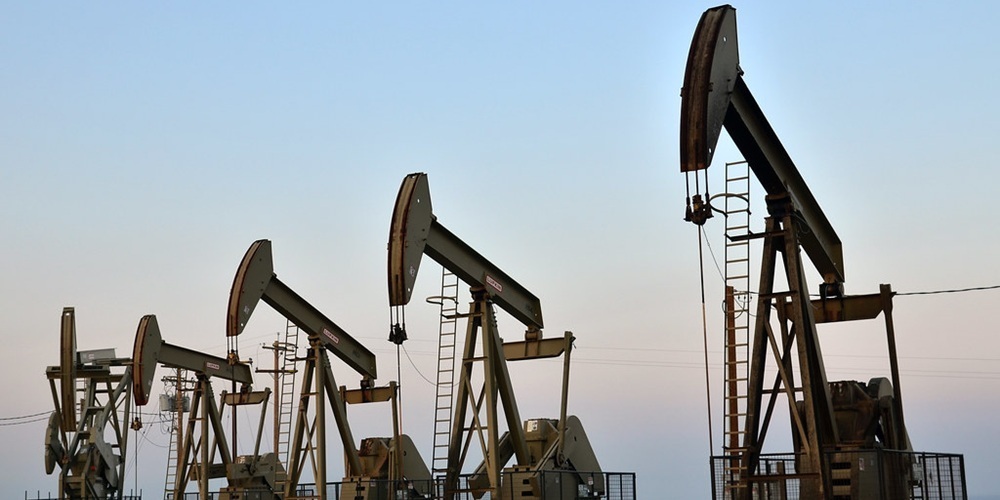
Boost Uptime: Oil Well Remote Monitoring System for Fast Action
Oil well remote monitoring systems are crucial for effective oil well operations. However, using these systems involves challenges that can affect productivity and profits. On-site well monitoring is time-intensive, consuming valuable personnel hours and incurring unnecessary expenses. A remote monitoring system can reduce those expenses as a safer, more cost-effective option that also cuts downtime.
What Is an Oil Well Remote Monitoring System?
An oil well monitoring system measures pressure, temperature, and fluid movement. The monitoring equipment has level sensors that determine liquid or solid material levels. Gas sensors determine if hazardous gases are present, chemical sensors determine oil quality, and vibration sensors help detect abnormal vibrations in equipment like pumps, compressors, and turbines.
Why Oil Well Monitoring Is Necessary
Oil fields are demanding environments with harsh geological, maintenance, and weather conditions. Constant oil field monitoring is necessary to avoid hazardous incidents, property damage, and injuries. Oil field problems tend to be pressure, environmental, equipment, human, and loss related.
Pressure
One danger of negligent oil well monitoring is a blowout, a sudden, uncontrolled release of fluids like gas, oil, water, or mud. Oil and gas are under high pressure trapped in rock formations. Tapping into these formations releases the fluids under immense strain. During drilling, weighted mud is circulated downward to balance pressure. However, blowouts occur when pressure balance is lost due to insufficient mud weight, equipment failure, unanticipated high-pressure areas, and human error. The loss of pressure balance causes rapid fluid release, triggering explosions, surface eruptions, and fires.
Equipment Damage
Pressure spikes are spectacular examples of damaging oil well equipment experiences. However, the damage is not always explosive. Casings, drills, wellheads, and other equipment wear out through use and degrade in environmental conditions. Sand, dirt, salt, and water break down machinery. Exposure to harsh weather can cause equipment to fail. These failures can lead to blowouts and other hazardous incidents.
Human Cost
An inadequate oil well remote monitoring system threatens human life. One example is the BP Deep Horizon disaster in 2010. The incident claimed the lives of eleven workers and injured seventeen others. One factor in the incident was that critical alarms on the rig had been disabled. The computer had been programmed not to sound any alarms for fire and gas because they had previously falsely woken members early in the morning. This inadequate monitoring enabled methane and oil to travel up the rig’s riser and ignite.
Environmental
Without well monitoring, damage to the environment occurs. Oil leaks into soil and water, killing animals and plants. Fires create smoke that pollutes the atmosphere. The Deepwater Horizon disaster created a petroleum slick of 57,500 square miles (149,000 square km), and 134 million gallons leaked from the damaged rig before the spill was capped. This oil leaked into the Gulf of Mexico and the wetlands and estuaries that the Gulf fed into, killing wildlife and polluting drinking water sources.
Loss Prevention
Any blowout or leak costs a company lost resources, worker time, and money. Catastrophes invite expensive lawsuits and punitive regulatory fines. However, any financial expense from inadequate monitoring has less significance than the human and environmental costs.
On-Site Well Monitoring Problems
On-site well monitoring presents challenges to useful, timely monitoring. Several factors in particular make it more expensive and ineffective.
Personnel
Finding experienced workers is one of the biggest challenges for oil companies. Workers with special skills are difficult to find. Training technicians takes time, effort, and money, with no guarantee that hires will stay in the industry. Employee burnout is also frequent in the oil and gas industries. According to a 2024 study by the Society of Petroleum Engineers, mental health issues for workers in the oil and gas sector cost the industry around $200 billion per year.
Response Time
On-site monitoring requires going into the field to monitor equipment. Oil wells are usually in isolated geographic areas where emerging issues can occur. For example, when a well abruptly ceases to produce, this creates downtime. On-site and irregular monitoring may not capture this problem. More concerning are the safety hazards caused by inadequate monitoring and delayed response.
Regulations
Oil well installations must conform to local, state, and federal regulations. Unmonitored wells are at risk of violating regulations. Governmental agencies can issue fines and citations and order stop-work penalties. On-site monitoring makes complying with regulations difficult and untimely, leading to expensive remediation.
Scalability
On-site well monitoring is not practical for large numbers of wells. Continuous oversight is difficult when a company seeks to expand its locations. Geographically dispersed sites are similarly problematic. A company with sites across states or continents stretches its resources for workers, equipment, time, and money if it only uses on-site monitoring.
Maintenance
Poor maintenance decisions result from incomplete information. Technicians visiting sites infrequently discover and correct maintenance problems too late. Equipment breakdowns and failures occur from inconsistent maintenance. Downtime, accidents, injuries, and environmental damage are costly for the industry.
How Remote Monitoring Works
An oil well remote monitoring system relies on several layers to support its operations. Field instruments collect information for data processing and analysis, and various sensors perform time-saving functions for oil level, equipment performance, maintenance, and safety.
Flow Sensors
Flow sensors measure oil volume in barrels per day and convert oil flow into electrical signals for monitoring and data recording. The data provided include the production rate, any abnormal flow patterns (such as higher or lower oil flow), and production trends for the well.
Pressure Transducers
Pressure transducers measure oil well pressure at many points. These sensors help control hazards like mud pressure. Mud pressure balances rock formation and drilling pressures to avoid blowouts. Without mud pressure sensors, imbalances between rock pressures and the departing oil occur, which can lead to sudden oil releases and dangerous blowouts. Transducers also provide accurate wellhead pressure readings for potential threats, such as leaks.
Leak
Leak sensors monitor oil and other substances. Leaks occur from old, poorly maintained equipment, damaged equipment, or equipment with manufacturing flaws. In addition to causing downtime, oil leaks are dangerous. They can cause environmental problems like polluted soil and water. Risks like methane leaks can cause air pollution, fire, and explosion hazards.
Temperature
Temperature sensors monitor heating and cooling in the drilling environment and equipment. These help pipeline contents flow at the correct temperature. Wax build-up, hydrates (ice-like blockages), or other obstructions create explosion hazards.
Vibration
Drilling vibration sensors detect equipment vibrations and interactions between the oil drilling tools and rock. During use, drillstrings, motors, and measurement tools are at risk of wearing out from heavy vibrations. Damaged tools cause rough drilling, missed drill targets, and safety hazards.
Benefits of Remote Monitoring
Remote monitoring helps improve response time, comply with laws, protect the environment, and ensure worker safety. It creates safer work situations, manages human resources, and helps companies avoid legal problems. Creating safer work areas and protecting the environment are essential parts of remote monitoring.
Response Time
Remote monitoring offers real-time tracking of emerging issues. Oil fields are located in remote areas where scheduled and sporadic visits make it difficult to supervise and react to incidents. Maintenance needs are discovered before drilling failures occur. Early detection of failing equipment leads to accident prevention and reduced downtime.
Regulatory Compliance
Fines, stop-work orders, and well shutdowns due to regulatory noncompliance create oil field downtime. Remote monitoring helps companies prevent incidents that violate regulatory requirements. Maintaining equipment integrity, oil well drilling procedures, and ensuring worker safety are regulation-compliant functions of remote monitoring.
Environment
A lack of remote monitoring can create catastrophic equipment failures, leading to polluted water sources and habitat destruction. Drilling emissions, such as volatile organic compounds and other gases, cause air pollution. Remote monitoring identifies maintenance issues, gas pressure, and leaks to avoid environmental damage.
Personnel Management
Stretching human resources too thin leads to worker mental health problems, burnout, and safety issues. On-site monitoring requires workers to travel to monitor sites, but travel takes time, money, and effort. Employees may be overworked, and when stressed, they can become exhausted and make mistakes. With remote monitoring, employees make fewer last-minute decisions and errors.
Reporting
Data and data analysis are critical for avoiding downtime. Remote monitoring involves sensing deviations from normal patterns in temperature, vibration, and pressure. Monitoring information is recorded, transmitted, and stored. With recorded data, workers can distinguish between sporadic and systemic rig issues. The pattern of issues informs employees of potential equipment failures and situational anomalies, helping them predict future issues.
Regulation Compliance
Remote monitoring reporting is not only a predictive tool but also a protective one. Recording remote monitoring provides evidence of regulatory compliance. After incidents, companies face lawsuits and governmental fines and actions. Evidence based on remote monitoring reporting is critical to a company’s legal defense. On-site monitoring may not capture vital evidence.
Safety
Remote monitoring alerts workers to potentially hazardous conditions before threats reach a critical stage. On-site notification may be missed or happen too late. One example is the Piper Alpha disaster in 1988 that killed 167 workers, the deadliest offshore oil rig accident in industry history. The incident occurred in part due to miscommunication between day- and night-shift repair workers about pump maintenance. Continuous remote monitoring, such as monitoring pumps for maintenance, can help prevent these types of disasters
Final Note
Downtime from ill-managed worker schedules, environmental accidents, and delayed response is expensive. According to a Kimberlite Research study, an hour of downtime in the oil and gas industries is around $500,000 in lost production. That’s more than $5 million for just 3.65 days of downtime annually. Remote monitoring is cost effective for avoiding downtime, improving worker retention, and enhancing brand reputation with safety-conscious, environmentally aware company policies.
Embrace the future of asset management with the innovative monitoring software from Texas Automation Systems, and unlock new levels of operational efficiency. Whether you manage a few assets or a large portfolio, our platform adapts to your needs and provides reliable, real-time insights. Contact us today to learn how our solution can help you reduce costs, improve safety, and boost production performance.