
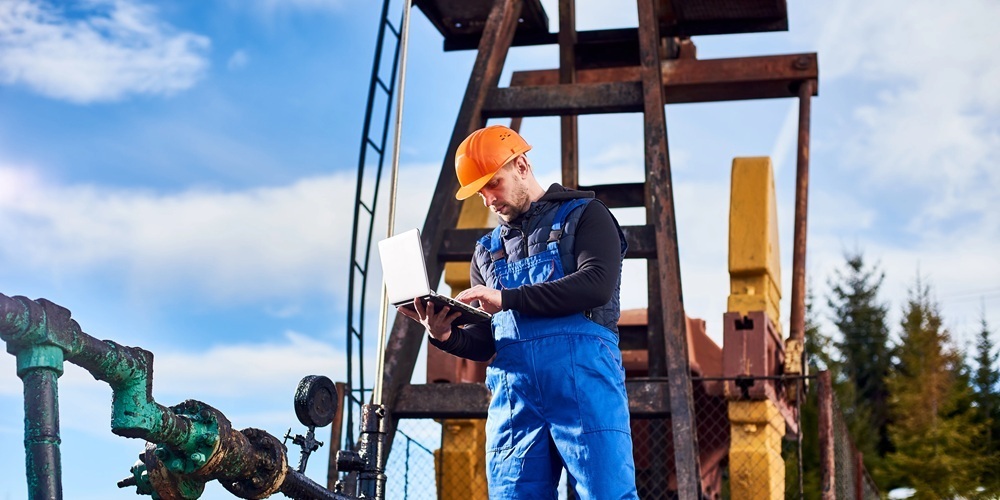
How to Boost Output and Cut Risk With Remote Well Site Monitoring
Managing dispersed assets efficiently is crucial for maximizing production and minimizing costs. This is especially true of well site monitoring, which requires a specialized level of experience and training.
That said, manual site visits are costly and time consuming. They can even delay the detection of critical issues. Since so much traditional well monitoring relies on driving and physical observation, it’s increasingly common to miss major problems, pass by opportunities, and potentially spend more on maintenance and care.
Fortunately, remote monitoring technology can optimize asset management and save teams time, money, and effort. The sooner you adopt remote tank and field asset monitoring technology, the sooner you can see the benefits in your business’s operations and finances.
This article explains how implementing a remote monitoring solution can transform operational oversight, providing real-time insights and reducing safety risks. It also explores how you can use it as a strategic lever to reduce risk, improve results, and strengthen asset value for upstream leaders.
Why Are Manual Site Visits Less Viable Today?
The varied economics of “windshield time” are no longer acceptable for most well operations. An increasing number of studies in the mining, oil, and gas industry show that:
- Labor accounts for approximately 76% of oil and gas operating expenses.
- The average cost per employee reached $115,400 in 2026.
Companies are spending more on labor than ever, and the cost per employee will continue to rise. As your organization grows, this cost may become even more prohibitive.
Operations must also consider “hidden” expenses, such as requirements for field labor and scattered locations. Having numerous wells in hard-to-reach areas could require additional personnel or reduce the number of circuits under their coverage.
Far-off sites can also delay the discovery of well failures. For example, it may be several days, if not weeks, before critical equipment issues are spotted. This could enable more serious issues (if not costly productivity losses) to develop and require unwanted downtime.
Finally and perhaps more importantly, in-person well site monitoring can invite potential safety and exposure events. This may significantly raise concerns about the personal well-being of your monitoring professionals. Additionally, you may need to acquire specific OSHA-required PPE or equipment to protect your monitoring professionals, which can cost hundreds, if not thousands, of dollars per month.
How Remote Well Site Monitoring Reduces Operational Risk
Research from 6Sigma suggests that companies implementing lean principles report an average 20% to 30% reduction in operational costs within their first year. Much of this can be attributed to digital-first process improvements designed to streamline routine tasks. It also includes innovations like remote well site monitoring. It can reduce operational risk in three ways.
1. Real-Time Production Optimization
Remote well site monitoring gives you continuous visibility from your work phone, laptop, or desktop. That way, you can keep an eye on:
- Tank levels
- Flow
- Pressure
- Runtime
It also enables you to send crews to halted or at-risk wells, eliminating the expense and confusion of fixed-route maintenance. For example, one offshore operator used predictive monitoring to cut their unwanted downtime by 20%. This enabled them to add more than 500,000 barrels of annual production, without purchasing more wells or making any other modifications to their existing process.
2. Predictive Maintenance
Unplanned downtime costs the average oil and gas company $38 million a year. For context, that’s roughly the amount of working full time for 2,500 years at the federal minimum wage ($7.25 per hour).
Fortunately, built-in sensors for remote well site monitoring can spot problems before a system fails. These include abnormal vibrations, pressure increases, or temperature changes that could signal further issues with the well or surrounding equipment.
Studies also show that predictive maintenance can cut downtime by 50% and reduce costs by 25%. Monitoring your well site from a distance helps you catch issues quickly, choose the best time for maintenance visits, and maximize savings by preventing needless downtime.
3. Safety and Compliance
Another major benefit of remote well site monitoring is that fewer people are sent into hazardous areas. Since routine checks don’t require a physical presence, technicians enter dangerous areas only to perform necessary maintenance, repairs, or inspections.
The right remote well site monitoring software enables you to receive instant alerts on:
- Leaks
- Pressure surges
- Equipment faults
This can also ensure a faster response time. Instead of waiting several days or more for repairs during routine visits, remote well site monitoring can deploy experts quickly, often in as little as two to eight hours. You can easily monitor tank levels, flow rates, artificial lift performance, and other mission-critical diagnostics for your wells.
The Essential Tool for Modern Upstream Oil and Gas Operations
The Internet of Things, or IoT, remains the fastest-growing segment of the oil and gas industry. As more sites upgrade their infrastructure, now is the time to invest in a system uniquely designed to support your monitoring capabilities.
A scalable, cost-effective platform for remote well site monitoring can:
- Lower operational costs
- Improve safety
- Enhance decision-making
Embrace the future of asset management with the innovative monitoring software from Texas Automation Systems, and unlock new levels of operational efficiency. Whether you manage a few assets or a large portfolio, our platform adapts to your needs and provides reliable, real-time insights. Contact us today to learn how our solution can help you reduce costs, improve safety, and boost production performance.